
In this guide
When is Carnival in 2027?
Brazilian Carnival in 2027 runs from Friday 5 February through Tuesday 9 February, with the heaviest street activity concentrated across that five-day stretch. The date moves every year because Carnival is tied to the Christian liturgical calendar, falling 47 days before Easter Sunday, so the exact dates shift annually and should always be confirmed closer to your travel dates. Many cities also hold warm-up blocos and events in the weeks leading into official Carnival, so the party often starts well before the main weekend.
Choosing your city: Rio, Salvador, Olinda or São Paulo
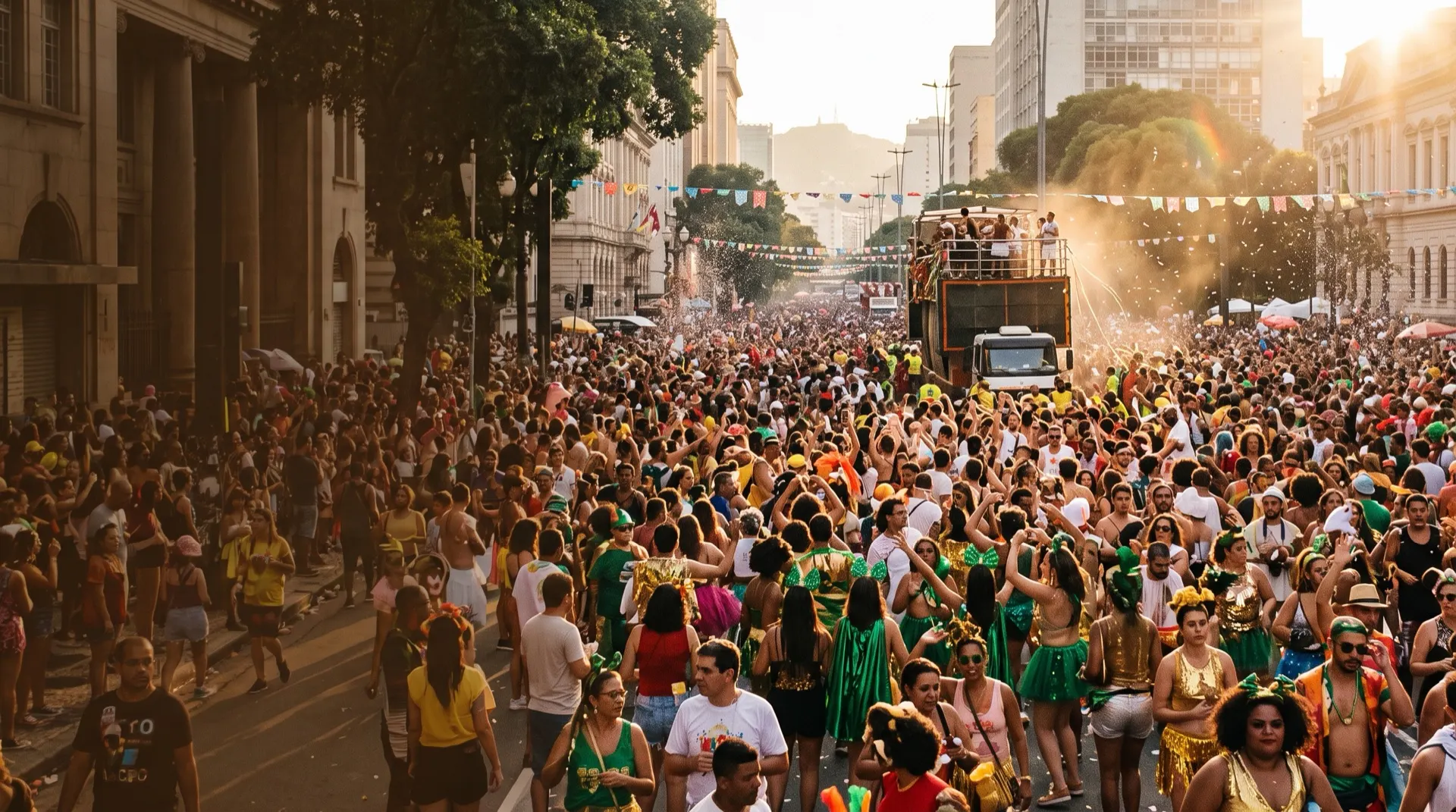
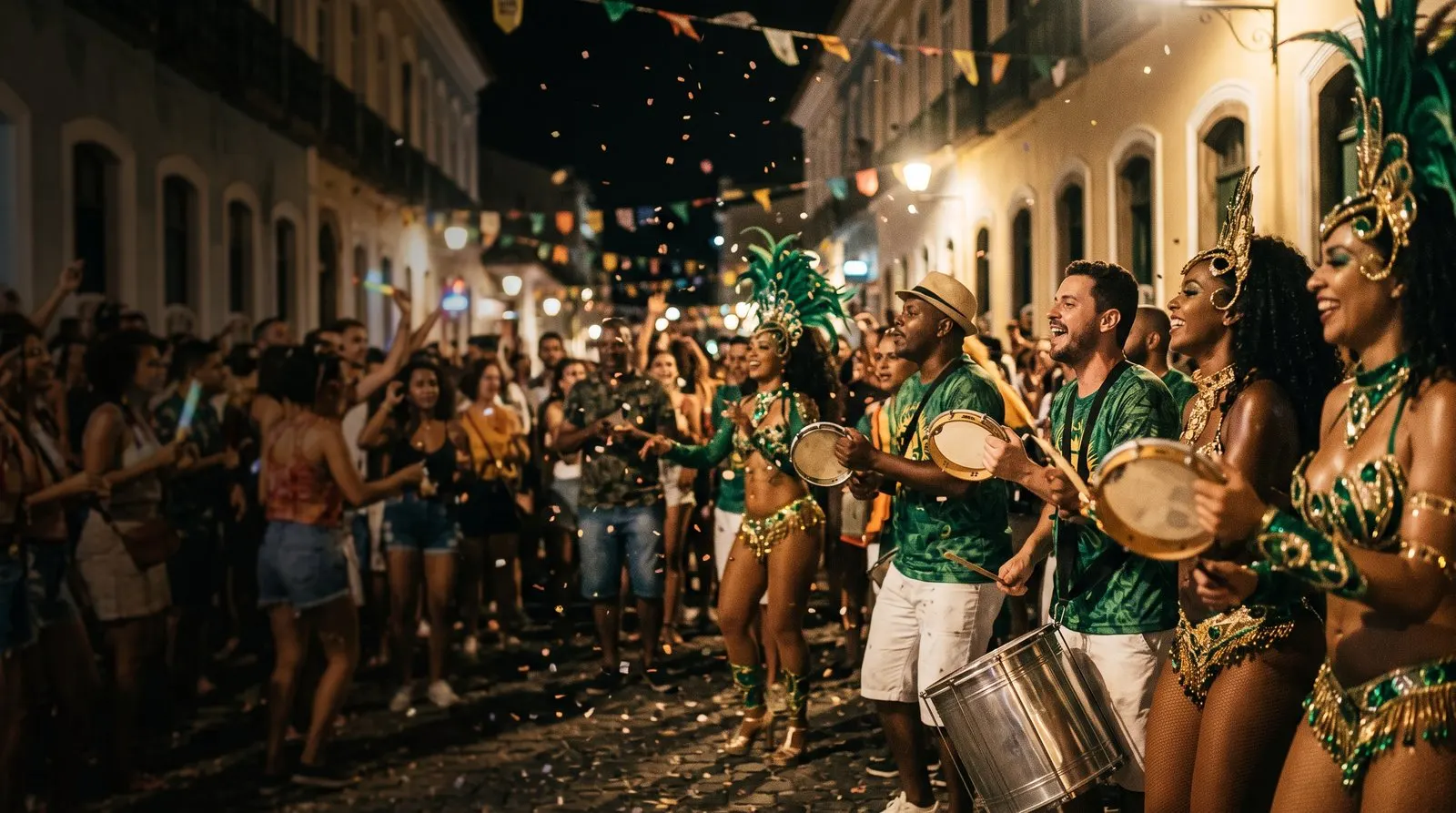
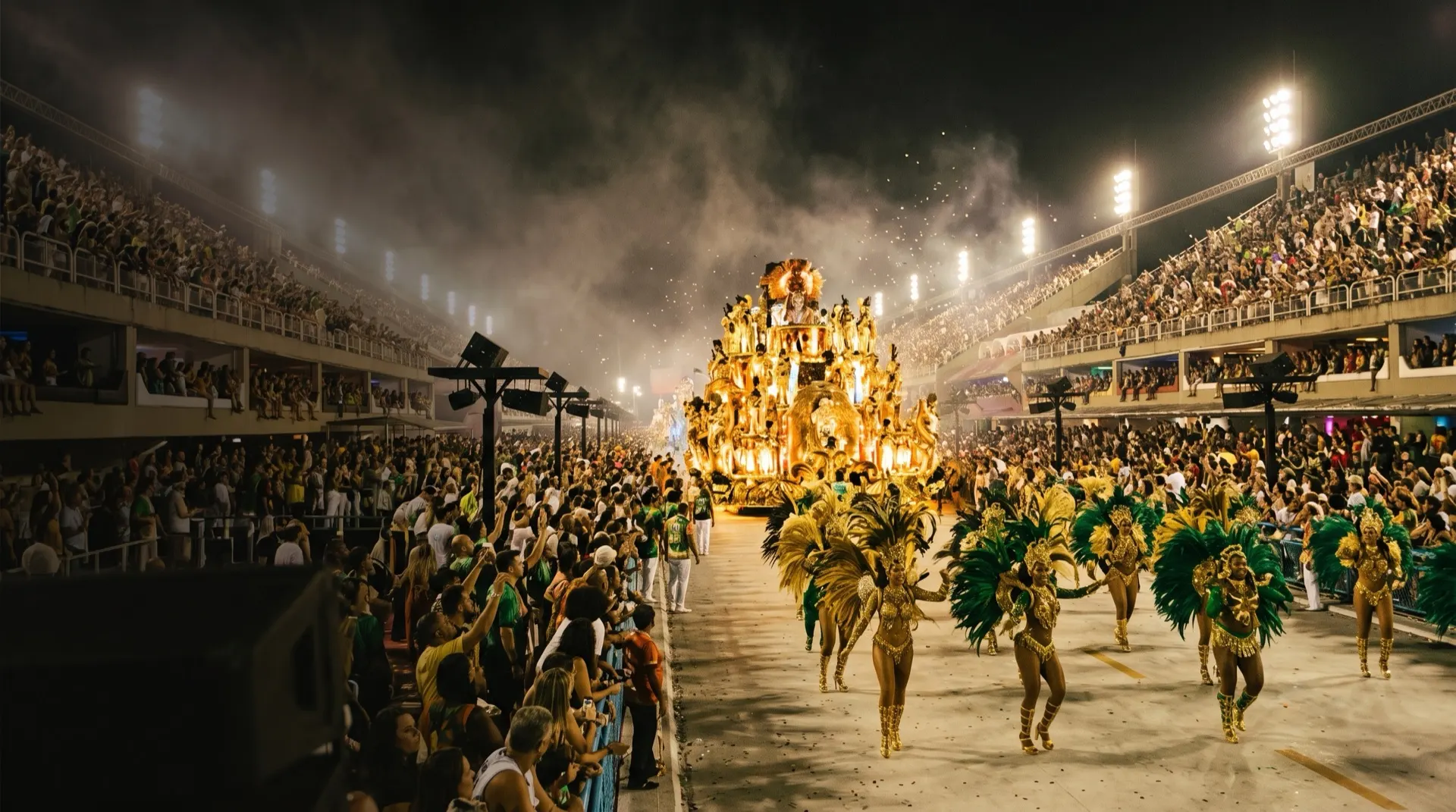
Rio de Janeiro offers the most internationally famous version of Carnival, centered on the Sambadrome parades and an enormous calendar of street blocos across the city. Salvador, in Bahia, runs its Carnival around axé music and the trio elétrico trucks that pull crowds through the streets for hours, a louder, more continuously mobile style of celebration than Rio's stadium format. Olinda and neighboring Recife, in Pernambuco, offer a smaller-scale, more historic atmosphere built around frevo music, giant puppets, and narrow colonial streets, while São Paulo has grown its own large-scale samba school parades and street bloco scene as a lower-cost, less crowded alternative to Rio.

Sambadrome parades vs street blocos: what's the difference?
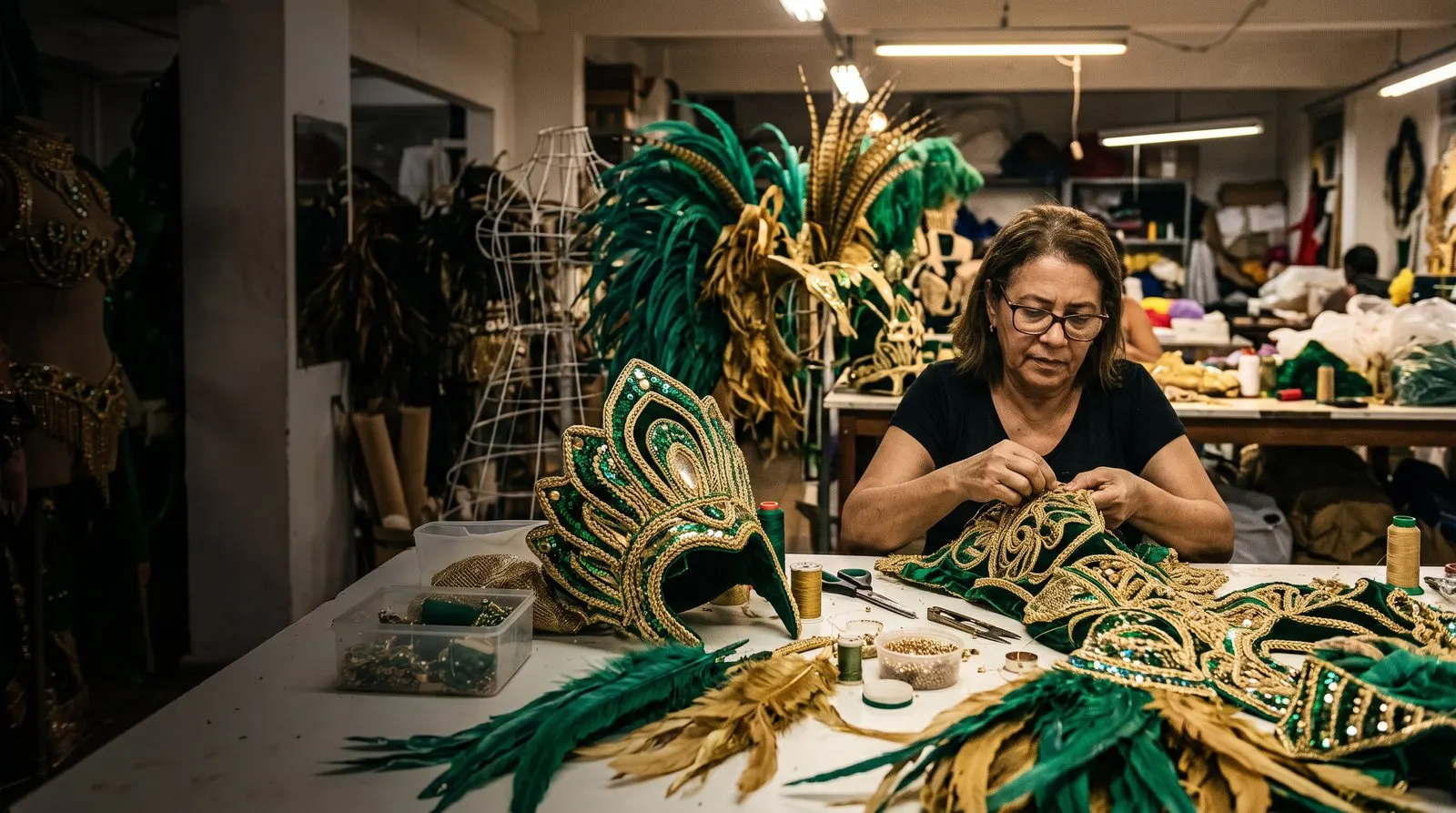
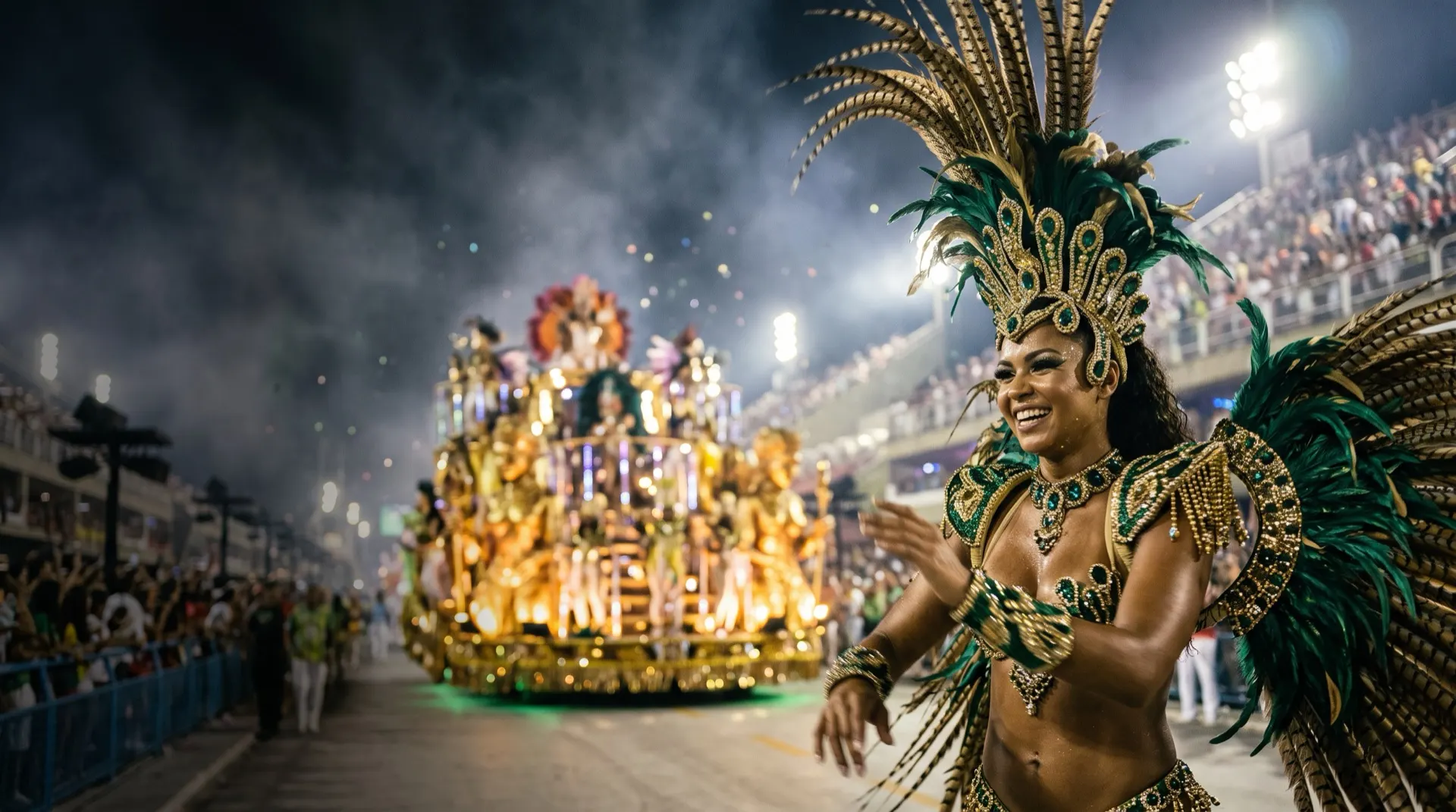
The Sambadrome parade is a ticketed, formal competition in which Rio's top samba schools perform their samba-enredo and parade their costumes and floats before judges and a paying crowd, held over designated nights during Carnival. Street blocos, by contrast, are informal, often free, parades that form around a particular band, theme, or neighborhood, open to anyone who shows up, with no judging and no fixed program beyond a route and a start time. Most visitors experience a mix of both, a ticketed Sambadrome night for the spectacle and several blocos for the loose, participatory street-party side of Carnival.
Understanding the abadá and the camarote
An abadá is the official costume shirt sold for access to certain ticketed blocos, functioning as both your ticket and your uniform for that specific parade, usually printed with the bloco's name and that year's design. A camarote is a private, elevated viewing box, found both at the Sambadrome and along major bloco routes, offering a paid, more comfortable vantage point with amenities such as private bars and restrooms, well away from the density of the street crowd. Neither is required to enjoy Carnival, but both are worth knowing before you see them advertised, since prices and access rules vary significantly by event and by city.
Packing and safety basics for first-timers
Comfortable, breathable clothing and sturdy closed shoes matter more than costume ambition for most of the week, since you will likely be standing or walking for hours in heat and crowds. Keep valuables minimal and secured, carry only the cash and identification you need for the day, and agree on a meeting point with anyone you are traveling with in case phone signal becomes unreliable in dense crowds. As with any major public event, stay aware of your surroundings, keep to well-attended areas, and follow guidance from local authorities and venue staff on the ground rather than relying solely on advice gathered in advance.
Planning and booking ahead
Accommodation in Rio, Salvador, and Olinda fills up and prices rise well ahead of Carnival week, so booking flights and lodging early is one of the highest-value steps a first-time visitor can take. Sambadrome tickets and popular camarote packages are typically sold through official channels months in advance and can sell out, so research your preferred nights and sections before you commit to dates. Building a loose daily plan, which blocos you want to catch, which night you want to watch the Sambadrome parade, leaves room for spontaneity without leaving the most popular events to chance.
Frequently asked questions
What are the official Carnival dates in 2027?+
Brazilian Carnival in 2027 runs from Friday 5 February through Tuesday 9 February, though related street events often begin in the weeks before the official dates.
Which city is best for a first Carnival trip, Rio or Salvador?+
Rio suits visitors who want the Sambadrome parade spectacle alongside a huge bloco scene, while Salvador suits those who want a more continuous, music-truck-driven street celebration built around axé. The right choice depends on whether you prefer a stadium centerpiece or an all-city moving party.
Do you need a ticket to attend Carnival in Brazil?+
Not always. Street blocos are generally free and open to anyone, while the Sambadrome parades and certain blocos that require an abadá are ticketed. Most first-time visitors attend a mix of free and paid events.
What is an abadá?+
An abadá is an official costume shirt sold for access to specific ticketed blocos, serving as both the entry ticket and the uniform for that event.
Is Brazilian Carnival safe for first-time visitors?+
Carnival draws enormous, dense crowds, so standard precautions apply: keep valuables minimal and secured, stay in well-attended areas, agree on meeting points with your group, and follow guidance from local authorities and event staff while you are there.
More Carnival guides

Plan your Carnival